
People reasonably want to know whether a cup of tea will keep them up, and whether “decaf” means what they hope it means. This guide covers the practical home side: different kinds of tea, how steeping changes a cup, what decaf labels are doing, and why a blog should not hand you a milligram chart as if it were a lab result for your tin. It is not medical advice, not nutrition advice, and not a recommendation to start or stop drinking tea. If you are pregnant, sensitive to caffeine, or managing a condition, ask a clinician about your own limits and about any official guidance that applies to you.
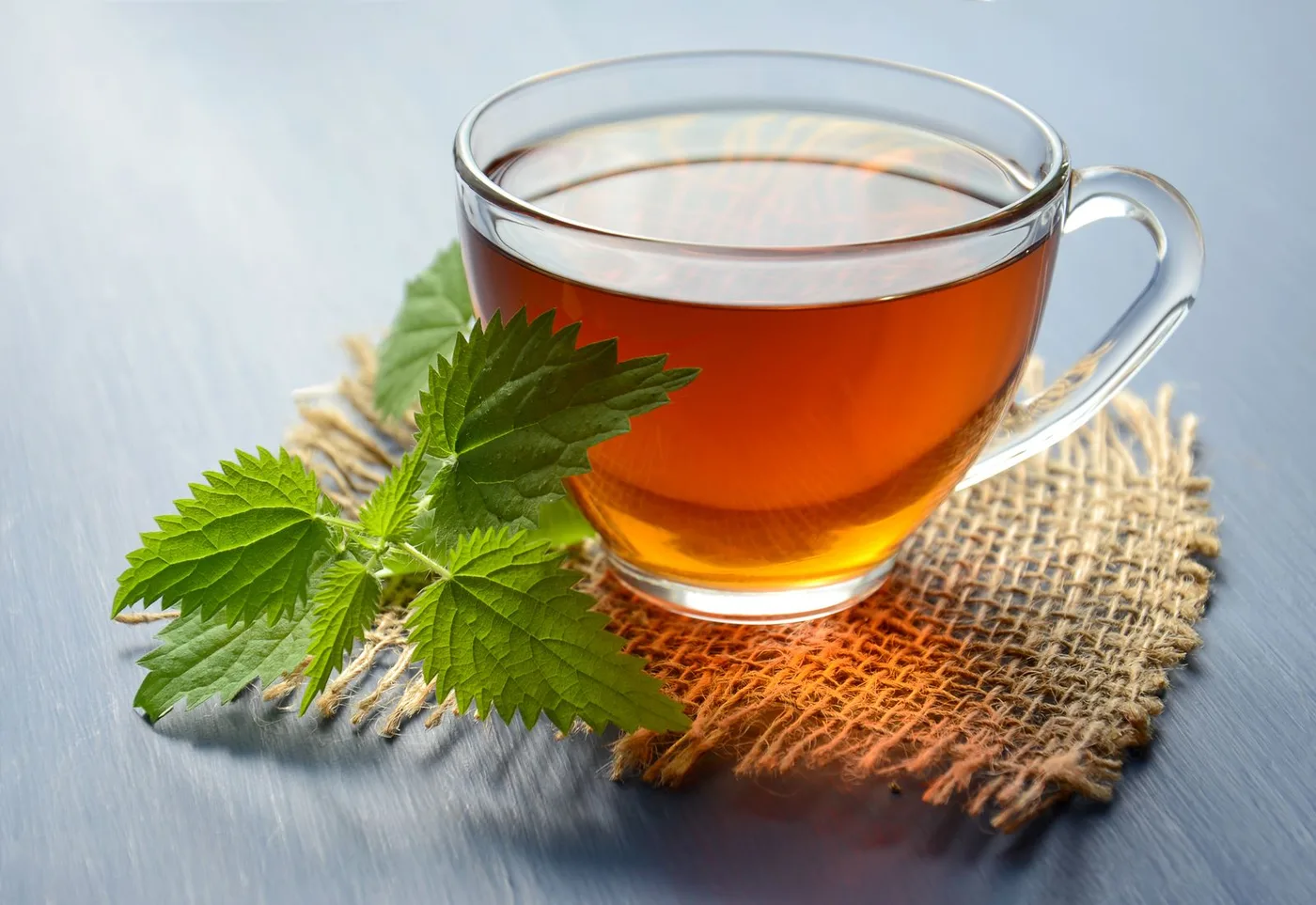
Caffeine is not a single number you can guess from the color
Tea made from the tea plant (Camellia sinensis) — black, green, oolong, white, and many others — naturally contains caffeine. Herbal infusions made from other plants may or may not; mint or rooibos is a different product than a black tea, and you still have to read the label if caffeine matters to you. See tea types explained.
Published average figures exist in textbooks and some official sources, and they vary with leaf, grade, amount, water, time, and even the cup size. That is why this page will not invent a milligram table or pretend your breakfast mug matches a generic “cup of tea” in a chart. If a specific packaged tea publishes a caffeine figure, that figure is about that product, under whatever conditions they used.
A darker cup is not automatically “more caffeine,” and a green tea is not automatically “low.” A long steep, a larger dose of leaf, and a second steep of the same leaves all change what ends up in the mug — generally in the direction you would expect, but not in a way we will quantify here. If you want less pickup from the same tin, use less leaf or a shorter steep and taste whether you still like the cup. See how to brew better tea.
Matcha is a different case because you ingest the leaf powder, not only an infusion. Treat official serving notes as the starting point, and see matcha tools and preparation. Cold brew is also not a guaranteed “low caffeine” method; it is a different extraction. See how to make cold-brew and iced tea.
What “decaf tea” usually means
Decaffeinated tea is tea that has been processed to remove much of the caffeine. It is typically not the same as “caffeine-free,” especially if the product still starts from the tea plant. Official labels and any stated residual caffeine, when a maker publishes them, are the honest source. Processes differ (and change over time); this article will not pretend to certify a method or invent a residual percentage.
If you need to avoid caffeine carefully, read the current package, prefer makers who are clear, and ask a clinician or a pharmacist if a small residual amount matters for you. Herbal caffeine-free infusions are a different aisle — and some herbals are still the wrong choice in pregnancy or with medicines, which is again a clinician question, not a blog endorsement.
A “bedtime tea” name is marketing unless the ingredient list and your own sleep agree. Our evening tea ritual is about a habit and a cup you like, not a medical sleep aid. Tea is not a drug we will dose in this article.
Decaf and regular teas still want decent storage, away from heat, light, and strong smells. See how to store tea and starting a loose-leaf collection. A stale decaf is just a stale cup.
Habits that are more useful than a fake chart
If caffeine bothers your sleep, move the last caffeinated cup earlier and see how you feel, rather than chaining three late mugs and blaming the brand. If you are comparing two teas, brew them in a similar way; see how to taste tea. Water and temperature still affect how astringent and how “strong” a cup feels, which people sometimes confuse with caffeine; see kettles and water temperature.
Rinses and very short first steeps, in some gongfu-style brewing, change the cup; they are not a scientifically tidy “decaffeinate at home” method we will sell you. If you need decaf, buy labeled decaf.
Children and caffeine are a household and pediatric question. This site will not set a child serving.
Current kettles and pots in our 2026 list do not change the caffeine in the leaf; they only help you brew the cup you meant to brew.
FAQ
Can I decaf a tea at home with a 30-second rinse? You may discard some soluble material, including some caffeine, and you will also discard flavor. It is not a substitute for a labeled decaf product, and we will not invent a percentage removed.
Does a bag have less caffeine than loose leaf? It depends on the dose and the product, not on the shape of the bag. See loose leaf vs tea bags.
Is decaf tea “chemical” and unsafe? Decaf methods are regulated as food processes in places that regulate them. If you have a concern about a specific method, read the official maker note and ask a clinician or a trusted food-safety source. This page will not scare you or reassure you with invented residue figures.
Will this tea interact with my medicine? Ask a pharmacist or clinician. Do not use a tea blog as a medication list.
Think about caffeine in terms of the actual product, your steep, and how you feel — not a generic milligram chart on a blog. Use labeled decaf or a truly caffeine-free herbal when you need that, and take medical limits to a clinician. The cup should still taste like tea you wanted to drink.