
Better tea at home is usually a few repeatable habits, not a ceremony you have to get right on the first try. Use fresh water, a sensible leaf-to-water amount, a temperature that suits the tea, and a timer you will actually watch. Then taste, and change one thing the next day. You do not need a laboratory. You need a cup you want to make again tomorrow.
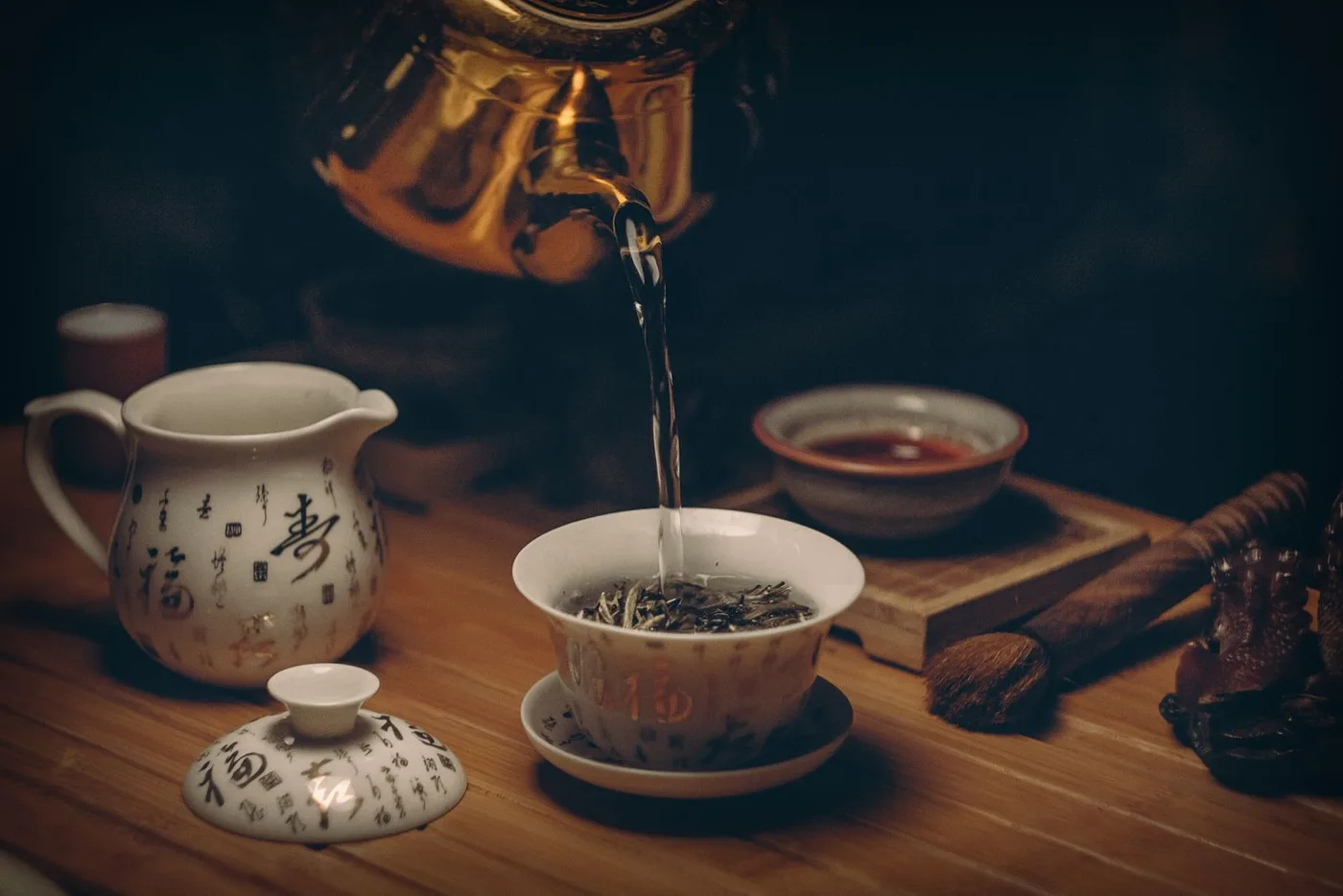
Start with water and a way to heat it
If your tap water tastes strongly of chlorine or minerals, that taste will show up in a delicate cup. A simple filter is enough for many kitchens. Bring the water to the range the tea can take; a full rolling boil is fine for many black teas and harder on some green or oolong teas. An electric kettle with a temperature setting, especially a gooseneck if you also pour into a small pot, makes that step less of a guess.
Do not reboil the same kettle water all afternoon if you can avoid it. Start with a fresh fill when you care about the cup.
Leaf amount, and a pot or infuser that gives the leaves room
A common starting point is about a teaspoon of leaf per small cup, then adjust for how large and how dense the leaf is. Fluffy whole leaves take more volume than a dense broken leaf. Give the leaves room to open in a basket or pot, rather than packing them into a tiny ball infuser they cannot escape. If the cup is thin and sharp, use less leaf or a shorter time before you blame the tea.
Rinse the pot with hot water so a cold ceramic vessel does not steal the first degree of heat.
Time, taste, and a second steep
Set a timer for a short first steep, then taste. Black tea often wants a few minutes; many green and oolong teas want less heat and sometimes less time, but the leaf in front of you is the real guide. If it is too strong, shorten the next steep or use a little less leaf. If it is too weak, do the reverse. Many loose teas will give a pleasant second cup; shorten or slightly raise the time as the leaf is already open, and stop when the cup is tired rather than wringing it out.
Small habits that make the cup repeatable
Warm the cup. Keep a small scoop in the tin so you are not guessing with a dinner spoon every time. Write one line on a note if you find a combination you like — “this black, just off boil, three minutes, one spoon.” That note is worth more than a generic chart from a box you no longer have. Clean the infuser so yesterday’s leaf is not part of today’s aroma, and do not leave wet leaves in a pot overnight as a styling choice.
If you are making tea for someone else, ask how strong they like it, and do not assume milk or sugar. Serve water with a very hot cup. A “better” brew is one the person in the room will drink.
When the tea is not the problem
A harsh cup can be old leaf, water that is too hot, a stewed bag left in the mug, or a metal infuser that smells like the dishwasher. Change one variable. If a tea still is not for you after a careful brew, it may simply not be your tea. That is allowed. Buy a small amount of something else rather than forcing a large tin you already resent.
A weekday routine you can repeat without thinking too hard
Pick one mug or one small pot and keep it near the kettle so you are not opening three cupboards before the water boils. Keep the tin, the scoop, and a small tray or spoon rest in the same spot. When the kettle is on, put the leaf in, and start the timer when the water hits the leaf, not when you first thought about making tea. If you are rushing out the door, a slightly shorter steep is better than leaving the basket in the mug until you remember it at the office.
Once a week, empty any leftover dry leaf that has been sitting in an open scoop, wash the infuser, and refill the kettle from fresh water. If your mornings are chaotic, pre-portion a day’s leaf into a tiny cup the night before, still in a dry place, so the only wet work is pouring. That is not cheating; it is how a habit survives a weekday. When a cup is off, ask three questions in order: was the water fresh and at a reasonable heat, did I use a similar amount of leaf, and did I watch the time? Most disappointing mugs fail one of those, not the reputation of the tea itself.
Brewing well at home is a short loop: fresh water, the right heat, enough room for the leaf, a timer, and a taste before you pour a second cup on autopilot. A kettle you can set and a pot that is easy to clean will do more for your mornings than a shelf of unused tools. Start with one tea you already like, get that cup consistent, and only then branch out. The goal is a pleasant habit, not a perfect score.
For a closer look at method, see gongfu vs Western brewing. Current official kettles and pots are in the 2026 researched list.