
Most of what people call “types” of tea start from the same plant, and then differ in how the leaf is harvested and processed. Black, green, and oolong are useful everyday categories because they point to a different level of oxidation and a different kind of cup. They are not a ranking. A good everyday black and a careful green can both be a weekday pleasure if you brew them in a way that suits the leaf.
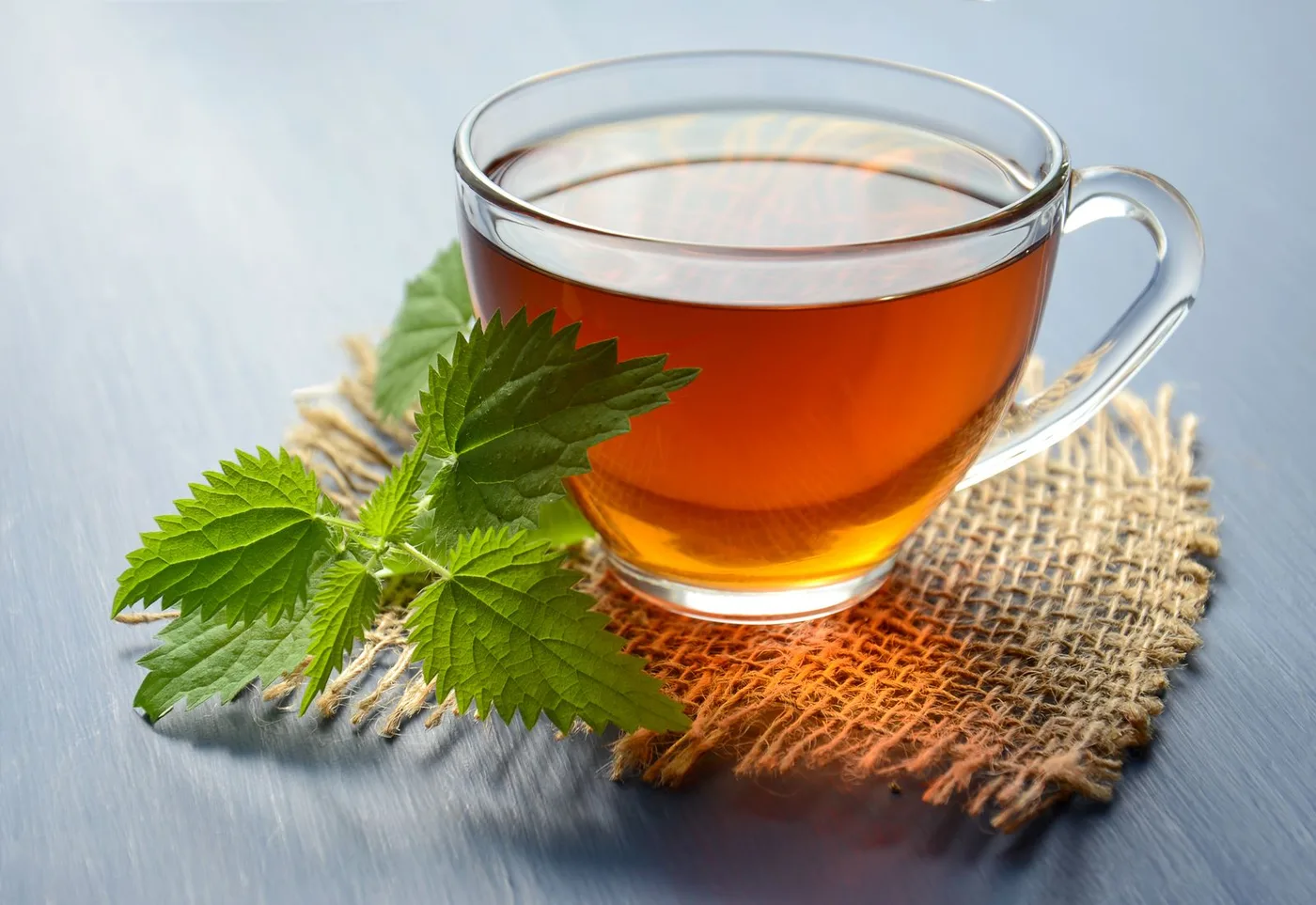
Black tea, if you want a familiar, sturdy cup
Black tea is fully oxidized in the usual telling, and it often stands up to hotter water and, if you like it, a little milk. Breakfast-style blends are built to be straightforward and repeatable. Single-origin blacks can be more floral, malty, or brisk, depending on the place and the grade. Start with a loose-leaf black you can buy again, and learn that one tin before you collect five.
If a black tea tastes harsh, try slightly cooler water or a shorter time before you decide you “do not like black tea.”
Green and oolong, if you want a lighter or more twisted cup
Green tea is processed to keep oxidation lower, and it often prefers water well off a hard boil and a shorter first steep. The flavor can be grassy, toasty, or sweet, depending on the style; it should not automatically be bitter. Oolong sits in a wide middle, from greener to darker, and many oolongs are a pleasure to steep more than once. If you are new to both, buy a small amount of one green or one oolong from a shop that will tell you a brewing range, and treat that range as a start, not a law.
Do not brew a delicate green in a scalding mug for ten minutes and then announce that green tea is bitter. The brewing was the experiment that failed.
White, pu-erh, and herbal cups, briefly
White tea is generally less processed, and can be subtle; it is easy to over-leaf or over-steep if you expect it to taste like a breakfast black. Pu-erh and other aged or fermented teas are a different study, with their own storage and brewing habits. Herbal cups — mint, rooibos, chamomile, and the rest — are not “tea” in the camellia sense, and they have their own strengths and limits. If you drink them in the evening for the taste or the ritual, that is a preference, not a medical plan. This site does not treat any cup as a treatment.
Buying a first tin of a new type
Buy a quantity you will finish while it still smells lively. Ask whether the leaf is a blend or a single lot, and how the seller would brew a first cup. Skip a giant discount bag with no harvest or packing date and a smell like a cardboard warehouse. If you already like one type, change one variable at a time — a different black, or a green, not five new categories in a week.
Tasting across types without turning it into a course
If you want to learn types, do it in short, ordinary cups, not in a single crowded flight. Brew a black you already like, then, on another day, brew a green or an oolong with cooler water and a shorter time, and write one honest sentence: “this is lighter,” “this is toastier,” “I miss milk.” You are not required to like every category. A person who drinks only black tea and brews it well has a complete habit.
When you do compare, keep the brewing as even as the teas allow, and do not chase a “correct” flavor from a chart. Some greens smell like steamed vegetables to one person and like sweet grass to another; that is language, not a defect. If a type you have heard a lot about leaves you cold, put it away and come back later, or do not come back. Shops will still sell it.
It also helps to learn one name within a type — a breakfast black, a sencha, a lightly oxidized oolong — so you have a reference the next time a menu is vague. Ask how the shop would brew it, then adjust. Types exist to help you buy and brew, not to sort people into serious and casual. Drink the ones that earn a second cup, keep the rest as a maybe, and let the cupboard stay small enough that the leaf stays fresh.
A type name is a map, not a grade. Black, green, and oolong will cover most of what you will actually brew at home, if you give each one an appropriate heat and time. Taste plain, take a short note if you like notes, and keep the tins you reach for. The rest can wait. Curiosity about types is useful when it leads to a second pleasant cup, not when it turns the cupboard into a test you have to pass before breakfast. A short list you can actually finish is a better education than a crowded shelf of types you only meant to study.
A calm way to compare types is in how to taste tea. A small shelf of leaves is covered in starting a loose-leaf collection.