
Tea is mostly water. That is obvious and easy to ignore when the conversation is about kettles and rare leaves. A chlorine-heavy tap, a very hard supply, or a kettle full of scale can flatten or harshen a cup before the leaf has a chance. This guide is about practical water choices at home, not about buying a laboratory report, and not about a ranked list of spring brands.
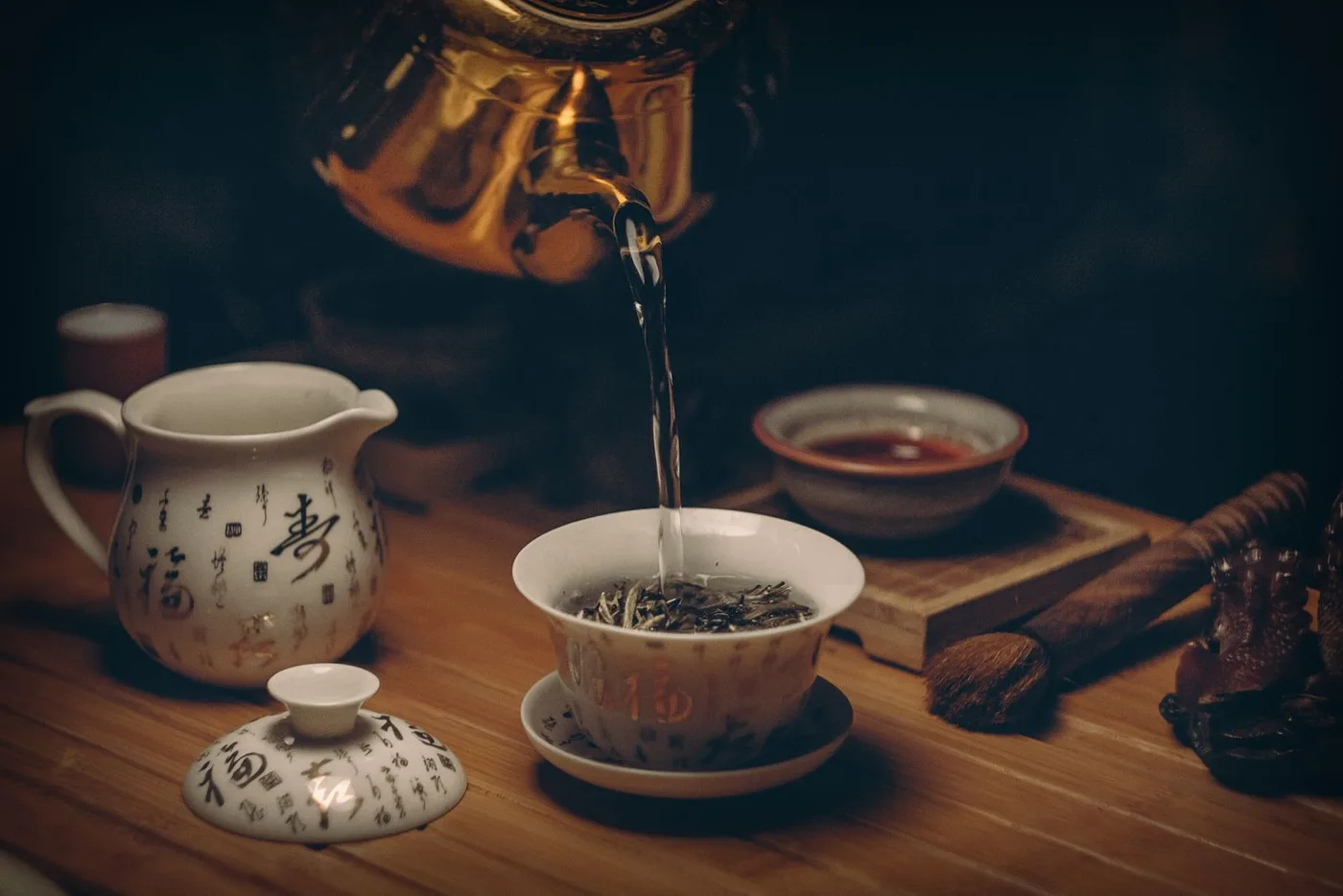
What you are actually tasting when the water is “off”
Chlorine and chloramine, used in many municipal systems, can smell like a pool and sit on top of a delicate green or a light oolong. A simple carbon filter pitcher, or a faucet filter rated for that job, often helps. If your water already tastes fine in a glass, it will probably be fine in a mug of hearty black tea. If you would not happily drink it plain, do not expect the leaf to hide it.
Hardness — dissolved minerals, especially calcium and magnesium — changes extraction and also builds scale in a kettle. Very soft or distilled water can make some teas taste thin or sharp, because there is little mineral structure for the flavor to sit on. Very hard water can mute a cup and leave a film on the kettle and the pot. The usual home compromise is decent filtered tap water, not a swing to distilled for every steep. If you already like your tap, you may not need to change it.
Scale is a heating and hygiene issue as well as a flavor one. A crusty kettle heats unevenly and can flake. Descale on a schedule that matches your hardness; see descaling kettles and cleaning teapots. Temperature still matters once the water is clean enough: kettles and water temperature is the companion to this article.
Filters, kettles, and habits that help
A pitcher filter is enough for many kitchens. Replace the cartridge when it is due; an overdue filter is a science project. If you have a whole-house softener that uses a lot of salt, taste the water. Some people prefer a small un-softened tap for tea and cooking, when they have one, because heavily softened water can taste flat or salty. That is a household choice, not a rule.
Fill the kettle with fresh water for tea, rather than reboiling the same standing water several times. Reboiled water is a mild issue, not a crisis, but it is a lazy way to concentrate whatever was in the kettle. Do not leave water sitting in a warm kettle all day if you can help it. Empty, or at least use, what you heated.
If you travel or have a well with a strong mineral or sulfur taste, a known bottled drinking water you already like is a practical test. Buy a modest amount and brew the same tea in tap and in that water. If you cannot tell, save your money. If you can tell, you have a useful experiment, not a new personality.
Leaf, method, and when water matters most
Delicate greens, light oolongs, and careful gongfu sessions show water more clearly than a strong breakfast blend with milk. That does not mean everyday tea deserves careless water; it means you may notice an upgrade first on a quieter cup. Herbal infusions vary: a mint tea will hide more than a chamomile will.
Fresh leaf and a clean pot still do more than a fashionable bottle. A stale, over-stored tea in perfect spring water is still stale. Store leaf away from moisture and kitchen smells, as we describe in how to store tea and in starting a loose-leaf collection.
A simple default
Start with cold tap water you would drink, run through a basic carbon filter if the tap smells of chlorine. Heat it to the temperature the tea wants, in a kettle you descale. Taste. Only change the water if the cup keeps tasting like the pipes. You do not need a mineral recipe, and you do not need to import water for a Tuesday mug.
If you host a small tasting, use the same water for every sample so you are comparing leaves, not glasses of different supplies. Our how to taste tea guide assumes that kind of fairness. Current kettles that make temperature easier, described as researched picks, are in the 2026 list.
Water is a tool, like a pot and a timer. Make it clean and ordinary, then pay attention to the leaf. That is the whole habit, and it is enough for almost every home cup.
Hardness, kettles, and a few tests that do not require a lab
If your kettle crusts quickly, you likely have hard water, and you will descale more often no matter which leaf you love. A cheap total-hardness test strip, sold for aquariums or well water, is optional curiosity, not a requirement. The practical test is still your eyes and the cup: scale on the kettle, spots on a glass pot, or a dull film on a dark tea.
If your water is very soft, and teas taste consistently thin or sharp, try a modest mineral water you already like, or a pinch of a purpose-made mineral additive only if you are willing to be systematic and to taste blindly. Most households will never need that step. Do not add baking soda or salt as a “fix.”
Ice and leftover kettle water are everyday details. Water that has sat in a kettle overnight is not poisonous; it is just a little more concentrated and a little flatter. Empty it. Cold brew, if you make it, still starts with water you would drink. Travel kettles in hotels often taste of scale and the last guest’s coffee; a rinse and a boil you discard can help, or use bottled drinking water if the in-room water is obviously off.
The leaf cannot reform a poor supply, and a perfect supply cannot rescue a dusty tin. Fix the obvious water problems, then spend your attention on storage, temperature, and time. That order keeps this from becoming an expensive hobby in bottled water.