
A tea gift works when the person actually drinks tea, or has said they would like to, and when the amount is small enough to finish while it still smells like itself. It fails when the tin is stale, the style is a guess, or the present comes with a lecture about how they ought to brew it. Start with what they already like, or with a straightforward everyday tea and a clear note.
Choose a style you can describe
If they drink a breakfast black at work, a fresh, loose-leaf black in a reasonable amount is a kinder gift than a rare, smoky, or very delicate tea you cannot explain. If they already love a green or an oolong, stay in that neighborhood. If you have no idea, a well-made everyday black, or a gift card to a shop they can actually visit or order from, is safer than a mixed crate of samples that will sit on a shelf.
Include a short brewing hint — water just off boil, a teaspoon, a few minutes — on a card, not as a test. Skip teas with a date you cannot find, and skip dusty bags from a warehouse you would not buy for yourself.
Tins, pots, and tools as gifts
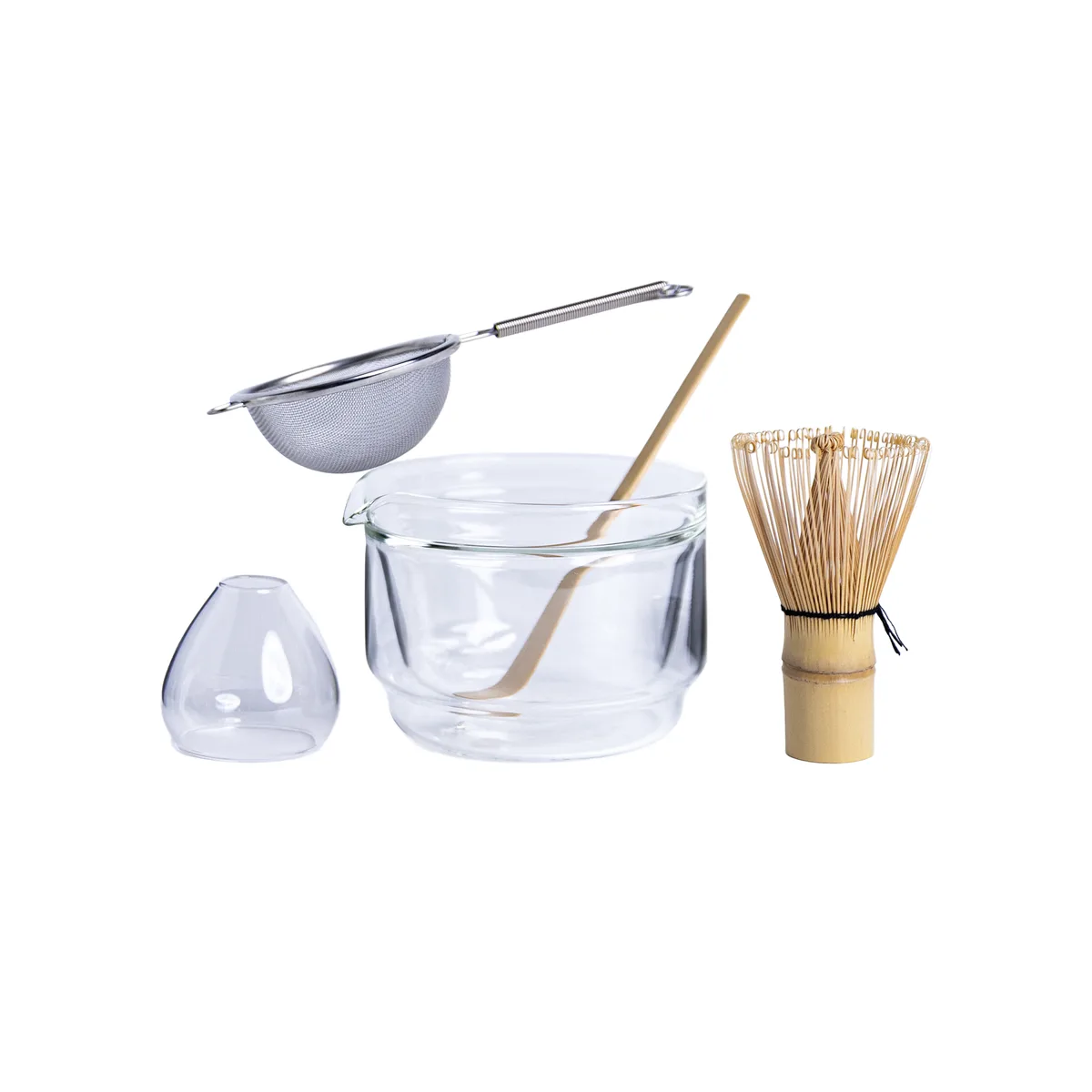
A good tin is useful if they have loose leaf and nowhere decent to keep it. A small infuser or teapot is useful if they are still brewing from bags and have said they want to try loose leaf. It is a weaker gift if their cupboard is already full of unused glass pots. When you can, include a receipt, and pick a tool that is easy to clean and not extremely fragile.
A kettle can be a generous gift for someone who brews every day and has a tired, leaking one. It is a bulky risk if you have not seen their counter. Ask, or stick to tea and a tin.
How you give it, and what not to do
Do not force a tasting on a person who wanted a simple present. Do not imply that their supermarket bags have been a mistake. Do not give a “detox,” “slimming,” or medical-sounding tea as a joke or a hint; this site does not treat tea as a treatment, and a gift should not either. If someone does not drink caffeine in the evening, do not present a strong black as a bedtime ritual.
If you ship tea, pack it so the tin cannot open, and avoid a week in a hot mailbox if you can. If you are giving to a household, check allergies and whether anyone avoids caffeine.
Occasions, sets, and gifts for people who already have too much
A host gift, a birthday, and a holiday box can all use tea, but they should not all look like the same hamper. For a host, a small, fresh tin they can open after you leave is often better than a fragile pot they have to deal with during a busy night. For a colleague, stay with a sealed, clearly labeled tea and skip anything that looks like a medical promise. For a serious tea drinker, ask what they are actually low on, or give a credit at a shop they already trust; more leaf they did not choose is not always kindness.
If you want to give a set, keep it small: one tea, one tin or one infuser, one card with a brewing starting point. Large chests of many packets look generous and often become a drawer of stale samples. If the person already has a full cupboard, a kettle they mentioned needing, a replacement tin, or no tea at all is the more thoughtful path.
Write the date you packed the gift if you assembled it yourself, and do not include a tea that has been open in your own kitchen for months. If you are giving to someone who shares a house with a person who does not drink tea, a tin that closes well and sits in a cupboard is more polite than a scented pile of bags on the counter. The best tea gifts disappear into ordinary mornings. That is the point. They should be welcome, legal to enjoy, and easy to finish while they still taste like the tea you meant to give.
A tea gift should be easy to open and easy to drink. A fresh, named tea in a sensible amount, a tin or a simple infuser if they need one, and a short, kind note will beat a ceremonial hamper every time. Let them brew it their way. If they already have too much tea, a card to a shop they like is a complete present, and it will not expire in a cupboard over the stove. If you are still unsure, buy a modest amount of a named everyday tea, put a brewing note on a card, and include a receipt so the person can exchange it for a style they already know and love, without any extra pressure to perform a tasting the same day.
Official kettles, pots, and matcha tools that make practical gifts are in the 2026 researched list.