
Cold-brew tea is leaf steeped in cold water, usually in the fridge, until the cup tastes the way you want. Iced tea can mean that, or it can mean a hot brew cooled over ice. Both are worth knowing, and they are not the same cup. This is a home how-to, not a cafe formula. Steep times and leaf amounts vary by tea, vessel, and taste, so we will not invent a single official hour-count that pretends to work for every green and every black.
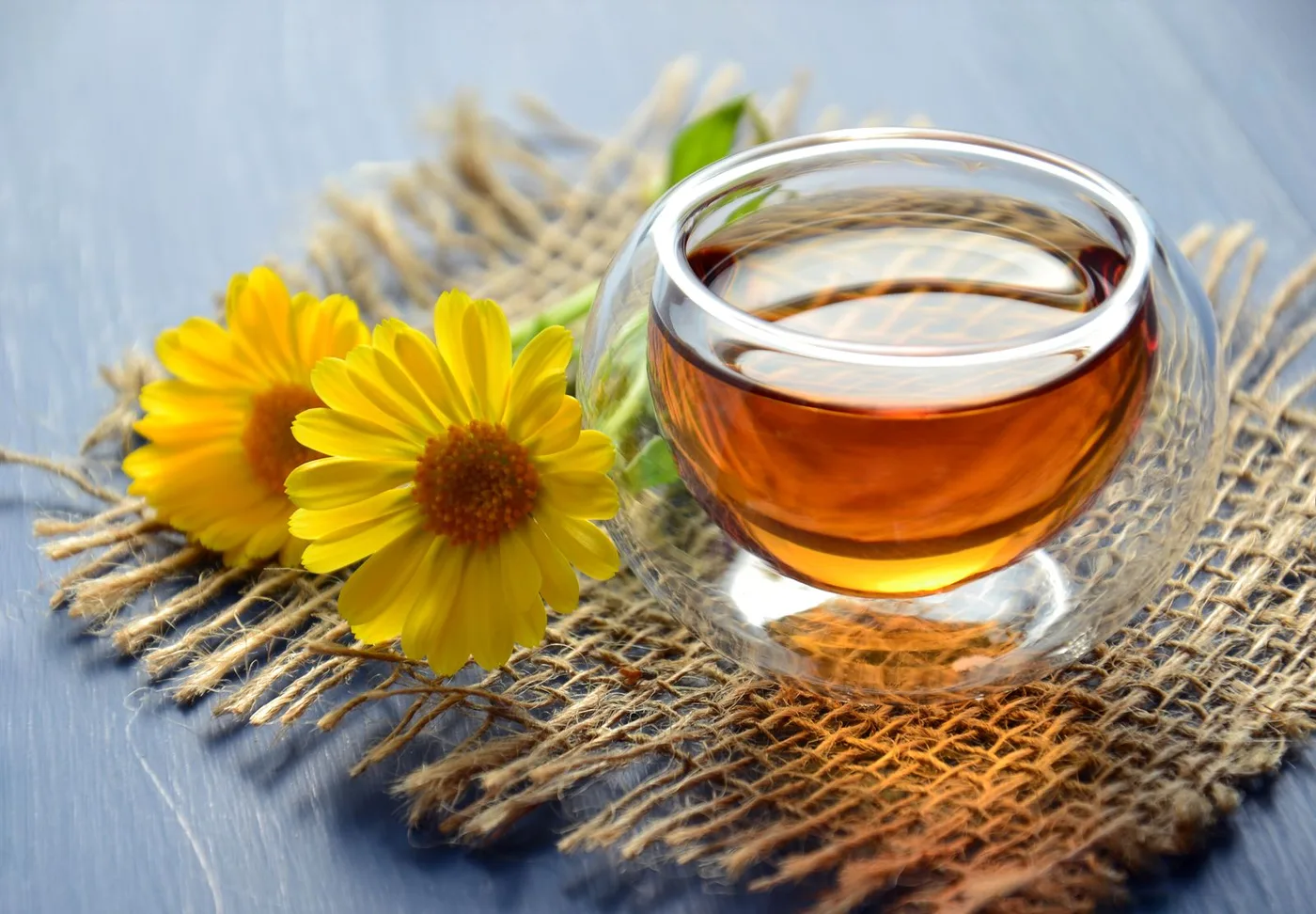
Cold brew: patience, cold water, and a strainer you can clean
Use fresh, cold water you like to drink, and a clean jar or jug with a lid. Add loose leaf — a generous but not absurd amount — and refrigerate. Taste after a few hours, then again later, and stop when the cup is pleasant, not when a chart says you must. Black teas often stand up to a long fridge steep; many greens and delicate oolongs want a shorter window and can go dull or grassy if you forget them for a weekend. See tea types explained and how to brew better tea for the same idea in hot brewing: the leaf is the starting point, not a universal recipe.
Strain thoroughly. A pitcher infuser, a large basket, or a clean fine strainer all work if they give the leaf room and come clean afterward. A cramped tea ball is as unhelpful here as it is in a mug. See teapots, infusers, and filters.
Keep the brew refrigerated, and drink it in a sensible number of days, the way you would treat other perishable drinks. If it smells off, looks odd, or you left it on a warm counter overnight, do not bargain with it. Use a clean vessel every batch. This is not medical advice; it is ordinary kitchen caution.
Cold brew is often smoother and less astringent than a hot mug of the same leaf, because the extraction is different. That is a reason some people like it, not a claim that it is “healthier.” For caffeine questions, see caffeine and decaf tea at home — and do not assume a cold brew is automatically low in caffeine.
Hot-brew iced tea: brew a little stronger, then cool it honestly
A simple iced tea starts as a hot infusion, then meets ice. If you brew a normal-strength mug and pour it over a full glass of ice, you will get a diluted cup. Brew a little stronger, or brew a concentrate you will dilute on purpose, then cool it. Some people brew directly over a measured amount of ice (“flash chill”). All of those work if you taste as you go.
Cloudiness in iced black tea is a common, usually harmless chill haze from tea solids, not a failed ritual. Starting with hotter water and then cooling, or changing the leaf, can change how much you see; we will not claim a guaranteed trick. If the flavor is good, a cloudy glass is still tea.
Use ice made from water you like. Tray ice is fine. Do not perfume the cup with a freezer that smells like onions unless you enjoy that experiment once.
A glass pitcher shows color; a ceramic one hides it. Either should be food-safe and easy to wash. For serving, a pot is optional. For brewing the hot concentrate, a basket in a pot is often easier than a bag you will squeeze too hard. Bags vs loose leaf is a separate choice; see loose leaf vs tea bags.
Flavor, travel, and what not to do
Lemon, mint, or a little sugar are personal. Add them after you have a brew you like, so you can tell what the leaf is doing. For a guest, offer unsweetened tea and the add-ins on the side. Traveling with a jar of cold brew is a packing problem; see how to travel with loose-leaf tea for the leaf itself, and keep a wet brew cold.
Do not make a gallon you will not drink. Do not store a metal-sensitive brew in a leftover container that smells like last night’s soup. Do not treat sun tea on a warm porch as the same method as a fridge cold brew; if you want a cold extraction, use the refrigerator.
Water still matters. If your tap makes hot tea taste dull, it will not magically improve in the fridge. See water quality for tea. Current kettles in our 2026 list are for the hot-brew path; a kettle is optional for true cold brew except to pre-boil and cool water if you prefer that starting point.
FAQ
Can I reuse the same leaves for a second cold brew? You can try a shorter second steep and taste it. Many leaves are tired after a long fridge extraction. Do not chase a second batch that already tastes like wet paper.
Is cold brew safer than sun tea? A refrigerator is the ordinary controlled place for a long steep. We are not offering a microbiology lecture; we are saying: keep it cold, keep it clean, and throw it out if it seems off.
Why is my iced green tea bitter? The leaf may have steeped too long, or a hot brew may have been too hot or too long before you iced it. Try cooler water or a shorter time, and see kettles and water temperature.
Can I make iced matcha this way? Matcha is whisked, not strained off leaves. See matcha tools and preparation, and add cold water or ice after you have a smooth official-style whisked bowl or shaker cup.
Cold brew is a fridge steep you taste until it is right. Iced tea can also be a slightly stronger hot brew cooled on purpose. Use clean vessels, water you like, and a strainer that gives the leaf room — and skip any chart that pretends one hour fits every tin.